adi part 1 questions and answers
Table of Contents
- What is the ADI Part 1 test?
- How many questions are in ADI Part 1?
- What is the pass mark for ADI Part 1?
- What sort of questions will I be asked?
- What is the hazard perception part like?
- Is ADI Part 1 harder than the learner theory test?
- How should I revise for ADI Part 1?
- How many attempts do I get?
- Common mistakes trainees make
- ADI part 1 questions and answers steady preparation wins
- FAQs
ADI Part 1 Questions and Answers: Your Complete Guide to Passing First Time
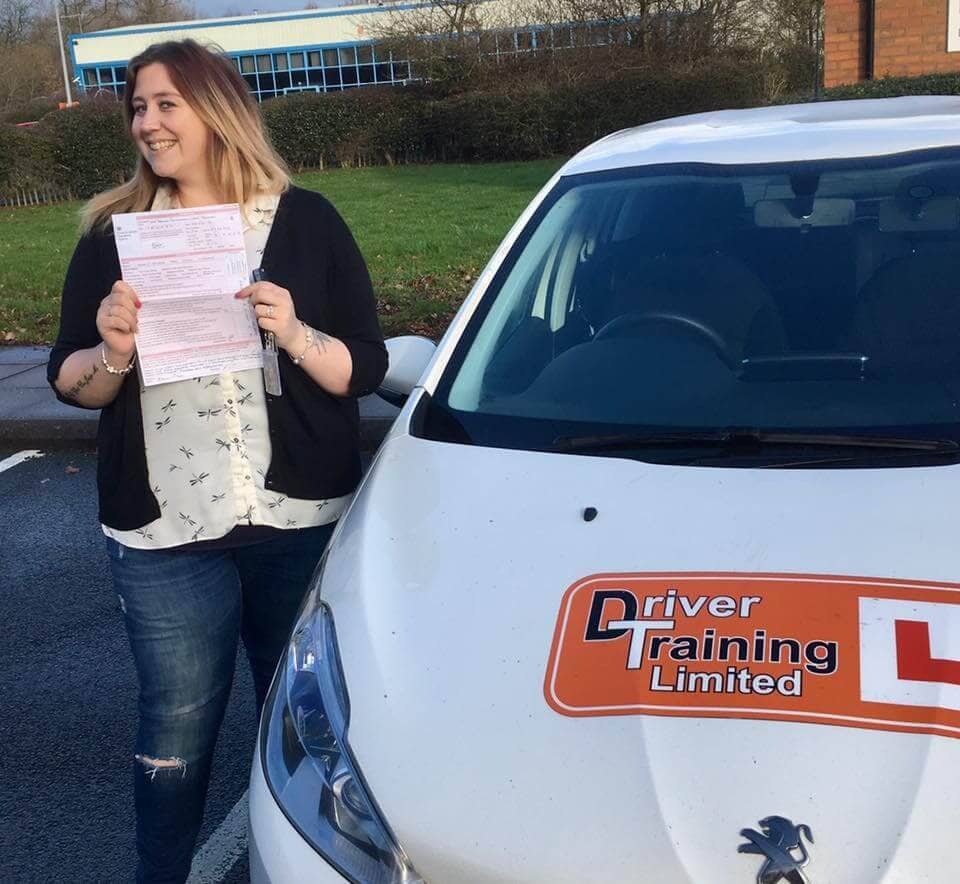
ADI Part 1 Questions and answers - Becoming a driving instructor still carries a certain dignity — a profession built on standards, patience, and steady guidance. The first stepping stone on that path is ADI Part 1: the theory-based entry test that decides whether you truly understand the rules, risks and responsibilities of life on the road.
Many trainees underestimate it. Others overthink it. The ones who pass first time are usually those who understand what’s on the test, why it matters — and how to prepare with purpose.
Let’s walk through the key questions people ask about ADI Part 1, along with clear answers and practical advice.
ADI Theory Test 2026
£35.95
ADI Part 1 Theory Test 2026 Master Your ADI Theory Test with Our Ultimate 2026 Bundle To pass your adi theory test, you need premium study materials and consistent adi theory test practice online to ensure success. **PLUS FREE ACCESS… read more

What is the ADI Part 1 test?
ADI Part 1 is the theory and hazard perception test for anyone training to become an Approved Driving Instructor in the UK.
It’s computer-based and split into two parts:
1️⃣ Multiple-choice theory questions
2️⃣ Hazard perception video clips
You must pass both sections in the same sitting.
While it builds on the learner driver theory test, it goes further — digging into deeper knowledge of road law, instructional awareness, and safe-driving principles. In simple terms: it checks whether you can think like a professional, not just a competent driver.
How many questions are in ADI Part 1?
You’ll face 100 multiple-choice questions in total.
These are divided into four topic bands:
Road procedures
Traffic signs & signals, car control, pedestrians & mechanical knowledge
Driving test, disabilities, and the law
Instructor responsibilities and teaching principles
This last band — teaching and instructor responsibilities — is where many candidates struggle, simply because it’s new territory.
What is the pass mark for ADI Part 1?
You need to meet two criteria:
✔️ 85 out of 100 overall, AND
✔️ at least 20 out of 25 in each band
Miss the minimum in any single band — even if you scored highly elsewhere — and it’s still a fail. It’s a fair system, designed to ensure instructors are rounded, not lopsided.
For hazard perception:
✔️ You must score 57 out of 75.
What sort of questions will I be asked?
Here are examples similar in style to those you’ll face:
Q: When teaching a learner about speed limits, what should you emphasise most?
A) Staying slightly under the speed limit at all times
B) Matching speed to road, traffic, and weather conditions
C) Always driving at the posted limit
D) Relying on other motorists to judge appropriate speed
Correct answer: B
Why? Because instructors must teach judgement, not blind obedience to numbers.
Q: When is it acceptable to use a mobile phone while driving?
A) Only when stopped in slow-moving traffic
B) When using hands-free if it doesn’t distract you
C) Whenever the road ahead is clear
D) Never — unless it’s an emergency and safe to do so
Correct answer: D
Professional instructors must understand both the law and the realities of risk.
What is the hazard perception part like?
You’ll watch 14 video clips filmed from the driver’s view.
Each contains at least one developing hazard — something that forces a driver to change speed or direction. One clip contains two hazards.
Your task is simple in principle:
Click when you first notice the hazard starting to develop.
Points are awarded on timing. Click too late — or click wildly hoping to guess — and you’ll lose marks.
Good hazard perception is about anticipation, not reaction. And that principle runs through all safe driving instruction.
Is ADI Part 1 harder than the learner theory test?
Yes — but not impossibly so.
The key differences are:
More depth in the law
Greater focus on risk and behaviour
Questions about teaching, not just driving
Think of it as stepping from being a driver to being a mentor. That’s a higher standard — and rightly so.
How should I revise for ADI Part 1?
Here’s a tried-and-tested approach that works:
1️⃣ Study in short, consistent sessions
Twenty to thirty minutes a day beats cramming the night before. The brain remembers steady repetition.
2️⃣ Learn WHY answers are correct
Don’t just memorise. Ask: “What principle is this teaching?”
That understanding will help in later stages — especially Part 3.
3️⃣ Practise hazard clips regularly
Build the ability to spot trouble early: cyclists hidden in doorways, junction traffic creeping, pedestrians hesitating at crossings.
4️⃣ Use mock tests properly
Sit them under timed conditions. Don’t check answers mid-way. Train the discipline.
How many attempts do I get?
You may retake ADI Part 1 if you fail — but your application window is limited to two years to complete Parts 1, 2 and 3.
Wasting attempts creates unnecessary pressure later. It pays to pass Part 1 confidently and move forward with momentum.
Common mistakes trainees make
From years around the industry, the same patterns come up time and again:
❌ Treating it like the learner theory test
❌ Ignoring the teaching-related questions
❌ Clicking randomly in hazard perception
❌ Revising only the night before
❌ Not reviewing why questions were wrong
Avoid those traps and you’re already ahead of most candidates.
ADI part 1 questions and answers steady preparation wins
ADI Part 1 isn’t designed to catch you out. It exists to make sure that those entrusted with teaching the next generation of drivers truly understand the rules, the risks, and the privilege of the job.
Take a traditional approach:
study thoroughly, respect the standards, and build your knowledge step by step.
Do that — and passing first time becomes far more realistic than you might think.
Want help preparing properly?
realistic mock questions, tailored to weak areas
a revision plan shaped around your timeframe
hazard perception training with feedback
FAQs
What is the ADI Part 1 test?
ADI Part 1 is the theory and hazard perception test for anyone training to become an Approved Driving Instructor in the UK.
It’s computer-based and split into two parts:
1️⃣ Multiple-choice theory questions
2️⃣ Hazard perception video clips
You must pass both sections in the same sitting.
While it builds on the learner driver theory test, it goes further — digging into deeper knowledge of road law, instructional awareness, and safe-driving principles. In simple terms: it checks whether you can think like a professional, not just a competent driver.
How many questions are in ADI Part 1?
You’ll face 100 multiple-choice questions in total.
These are divided into four topic bands:
Road procedures
Traffic signs & signals, car control, pedestrians & mechanical knowledge
Driving test, disabilities, and the law
Instructor responsibilities and teaching principles
This last band — teaching and instructor responsibilities — is where many candidates struggle, simply because it’s new territory.
What is the pass mark for ADI Part 1?
You need to meet two criteria:
✔️ 85 out of 100 overall, AND
✔️ at least 20 out of 25 in each band
Miss the minimum in any single band — even if you scored highly elsewhere — and it’s still a fail. It’s a fair system, designed to ensure instructors are rounded, not lopsided.
For hazard perception:
✔️ You must score 57 out of 75.
What sort of questions will I be asked?
Here are examples similar in style to those you’ll face:
Q: When teaching a learner about speed limits, what should you emphasise most?
A) Staying slightly under the speed limit at all times
B) Matching speed to road, traffic, and weather conditions
C) Always driving at the posted limit
D) Relying on other motorists to judge appropriate speed
Correct answer: B
Why? Because instructors must teach judgement, not blind obedience to numbers.