
Understanding What is a contraflow bus lane?

Table of Contents
What is a Contraflow Bus Lane? Explained for Drivers and Commuters
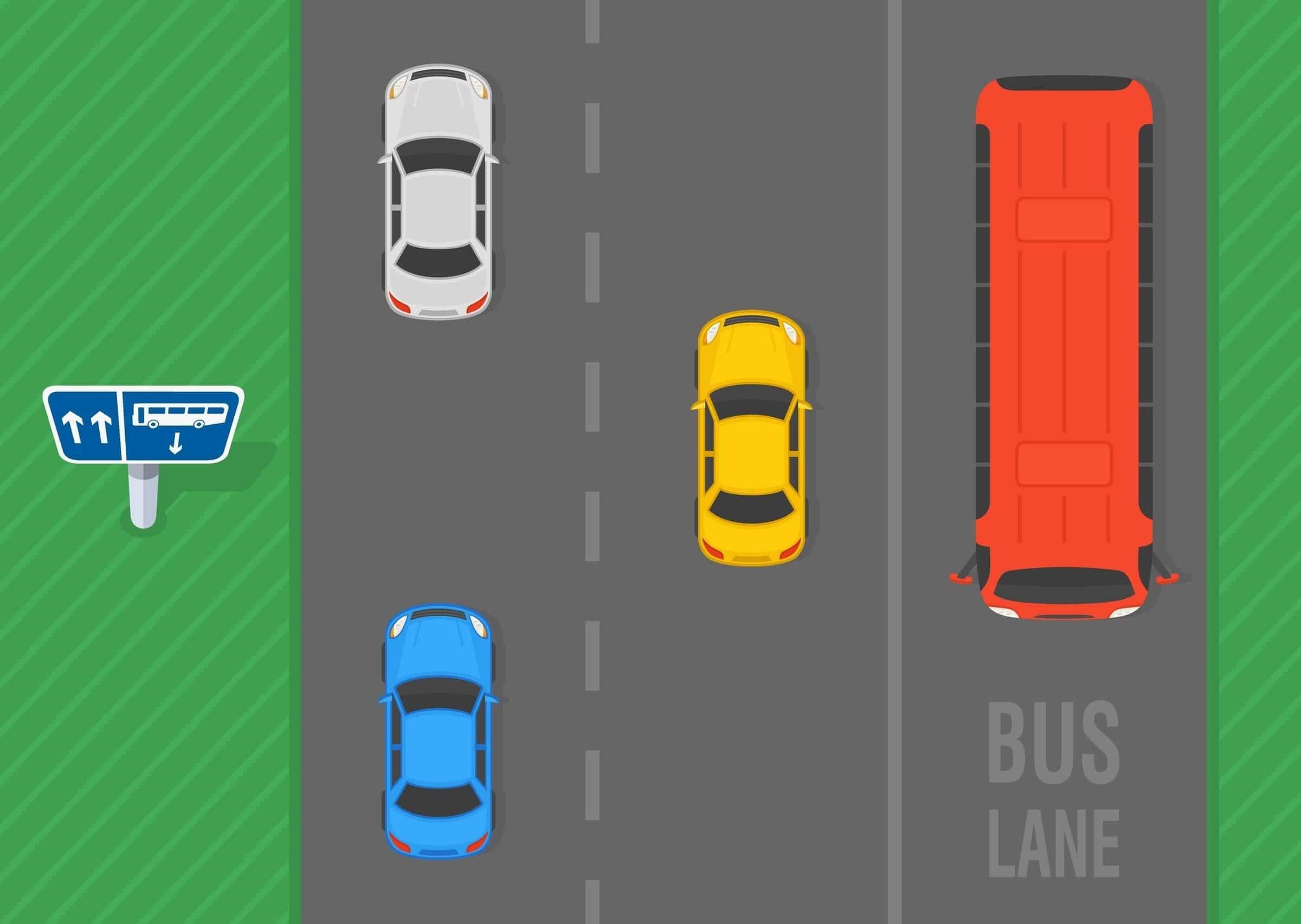
What is a contraflow bus lane In many cities across the world, traffic management strategies are constantly evolving to accommodate increasing population sizes and the demand for efficient public transport. One of these strategies, which you may have encountered on your daily commute, is the contraflow bus lane. While they may seem a bit confusing at first, these bus lanes play a crucial role in reducing congestion and promoting environmentally friendly transportation. Let’s take a deep dive into what exactly a contraflow bus lane is, how it works, and why it’s beneficial.
Understanding Contraflow Bus Lanes
A contraflow bus lane is a special traffic lane that allows buses to travel in the opposite direction to the regular flow of traffic. It’s called "contraflow" because, instead of following the standard direction of traffic, buses are allowed to move against it, typically on one-way streets. This lane is dedicated to buses and is usually marked with clear signage and road markings, ensuring other vehicles stay out of it.
Contraflow bus lanes are often implemented in urban areas with heavy traffic or narrow streets, where creating additional lanes in the regular traffic flow would be difficult or costly. By creating a bus lane in the opposite direction, cities can make better use of their existing road infrastructure and improve public transport efficiency.
How Does a Contraflow Bus Lane Work?
Contraflow bus lanes function similarly to regular bus lanes, with a few key differences. Here’s how they work:
Lane Positioning: The bus lane is typically positioned on the opposite side of the street, usually on the far left (in countries where driving is on the right side, like the UK or the US) or on the far right (in countries where driving is on the left side, like Australia).
Signs and Markings: To avoid confusion, contraflow bus lanes are clearly marked with road signs indicating that buses are permitted to travel in the opposite direction. These markings often include large, visible "BUS ONLY" signs and road paint.
Time Restrictions: Some contraflow bus lanes are operational during specific hours of the day, particularly during rush hours. They might be closed to buses outside of these times, allowing other vehicles to use the lane or to minimize disruption when bus traffic is low.
Other Vehicles: Only buses are legally allowed to use contraflow bus lanes. Other vehicles are not permitted to enter these lanes, and doing so can result in fines. Occasionally, taxis or emergency vehicles may be allowed to use the lane, depending on local traffic laws.
Why Do Cities Use Contraflow Bus Lanes?
Contraflow bus lanes offer several key benefits, especially in urban environments where road space is limited and traffic congestion is a common issue. Here’s why cities around the world implement them:
Improved Public Transport Efficiency: The primary reason for creating contraflow bus lanes is to ensure buses can travel more quickly and reliably. Buses often face delays due to heavy traffic, but by creating dedicated lanes in the opposite direction, they can avoid traffic bottlenecks, leading to shorter commute times for passengers. This makes public transport a more attractive option for commuters.
Reduced Traffic Congestion: By giving buses priority, cities can reduce the number of private cars on the road. If more people use buses due to the faster and more reliable service, it can help decrease overall traffic congestion, which benefits everyone on the road.
Environmentally Friendly: Encouraging the use of public transport helps lower the number of private vehicles on the road, which can reduce emissions and improve air quality. Buses, especially modern ones, are often more fuel-efficient and environmentally friendly than individual cars.
Maximizing Limited Road Space: In busy cities, there’s often a shortage of available road space for expanding roads or adding additional lanes. Contraflow bus lanes allow cities to make better use of their existing infrastructure and can help improve traffic flow without the need for costly road expansions.
Promoting Sustainable Transportation: With the global push for more sustainable urban planning, encouraging the use of buses and other public transport options is essential. Contraflow bus lanes are part of this larger effort to reduce dependence on cars and create more pedestrian-friendly environments.
Challenges of Contraflow Bus Lanes
While contraflow bus lanes offer many advantages, they are not without their challenges. Here are a few potential issues:
Driver Confusion: Since buses are traveling in the opposite direction, drivers may become confused or unsure of the lane rules, especially in areas with frequent lane changes or complex road layouts. Clear road markings and signage are essential to minimizing confusion.
Illegal Use by Non-Buses: In some cases, other vehicles may illegally enter contraflow bus lanes, either out of convenience or a lack of awareness. This can disrupt the smooth flow of bus traffic and reduce the effectiveness of the lane.
Increased Risk for Buses: Buses traveling in the opposite direction to regular traffic may encounter more challenges, such as drivers not expecting them to be there. This can increase the risk of accidents or collisions, especially in busy areas with high pedestrian traffic.
Enforcement: Effective enforcement is key to maintaining the integrity of contraflow bus lanes. Inadequate enforcement can lead to congestion and confusion, especially if other vehicles are frequently found in the bus lanes.
Understanding Contraflow Bus Lanes
Contraflow bus lanes are an innovative solution to traffic management in congested urban areas. By allowing buses to travel in the opposite direction to regular traffic flow, they make public transport faster and more reliable, benefiting both commuters and the environment. While they can present certain challenges, such as driver confusion or enforcement issues, the overall benefits of reduced congestion and a more sustainable transport system are significant.
As cities continue to grow and traffic problems intensify, we can expect to see more contraflow bus lanes being introduced around the world. Whether you’re a driver or a commuter, understanding how these lanes work can help you navigate your city’s streets more effectively.
FAQs
What is a contraflow bus lane?
A contraflow bus lane is a dedicated lane that allows buses to travel in the opposite direction to normal traffic flow, usually on a one-way street. It is designed to improve bus journey times and public transport reliability in congested urban areas.
How can drivers recognise a contraflow bus lane?
Clear roadside signs stating “Bus Lane” or “Contraflow Bus Lane”
Road markings showing a bus symbol and directional arrows
Physical separation such as kerbs or bollards in some locations
These features warn drivers that buses may be approaching from an unexpected direction.
Can cars use a contraflow bus lane?
No, cars are not allowed to use a contraflow bus lane unless signs specifically permit it. These lanes are typically restricted to buses only, although in some locations taxis, cyclists, or emergency vehicles may also be authorised. Driving in one without permission can result in a fine or penalty points.
When are contraflow bus lanes usually in operation?
Contraflow bus lanes may operate:
24 hours a day, or
During specific times, such as peak rush hours
Operating times are always displayed on nearby signs. Drivers must check these carefully, as enforcement cameras are often used.